Refrigeration System
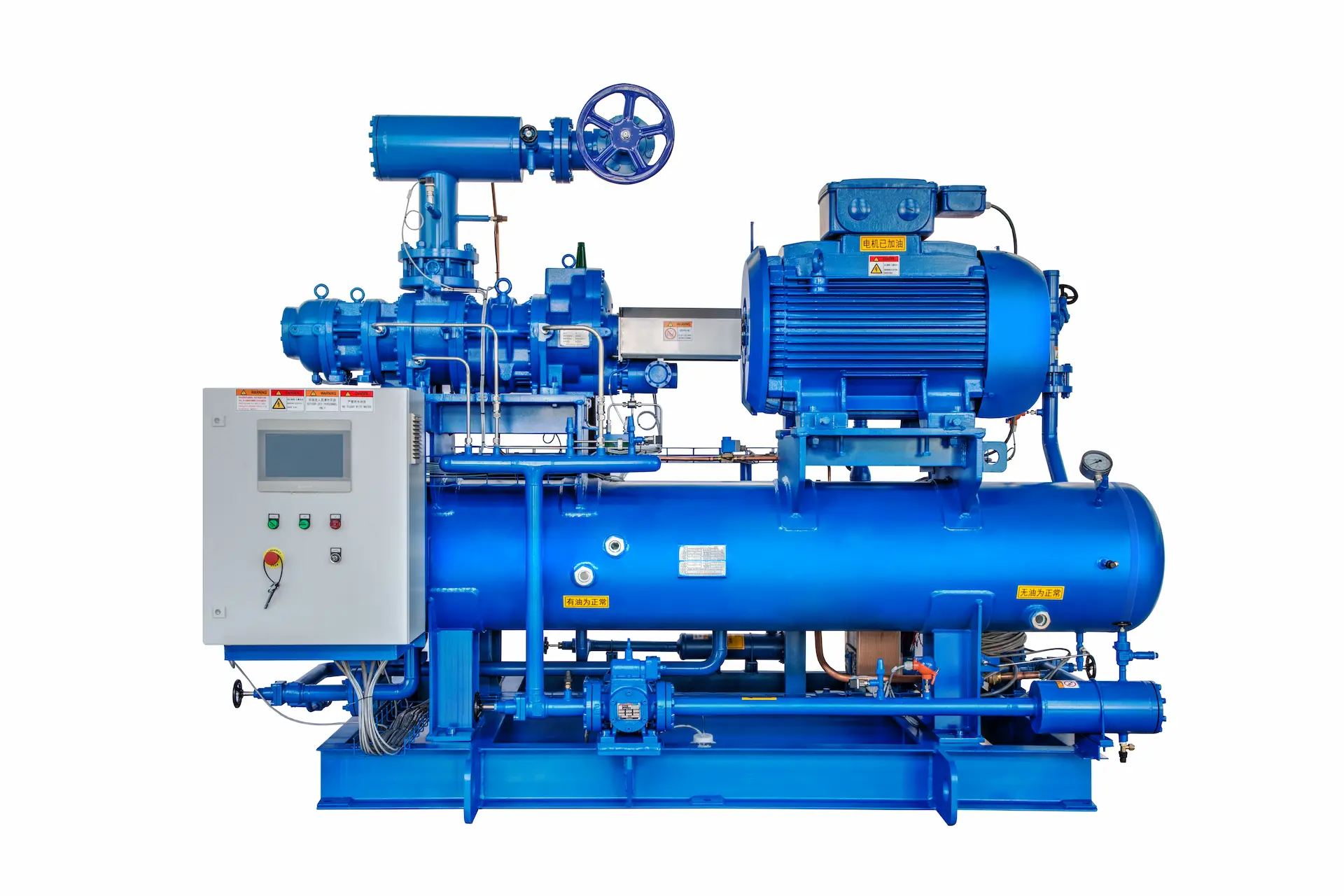
Refrigeration Package is the main equipment for frozen food processing and the cold chain industry, including refrigerating compressors, pressure vessels, electrical elements, and other accessories.
We have hundreds of industrial refrigeration systems around the world. We are also known for designing and building the CO2 cascade, Freon, and Ammonia systems around the world.
We only use internationally recognized refrigeration parts. For example, Compressors are German Bitzer and Japanese Mycom. The valves are Danfoss and Emerson.
- Computer control, save power
- Real-time monitoring, alarming, early warning and fault self-diagnosis
Compressors use international high-end brands: MYCOM, KOBELCO, BITZER, etc.
Compact structure, reliable and simple operation.
Intelligent microcomputer control device
Product Features
Why Choose Square's Refrigeration System
Explore the key product features, including Manufacturing Capability, Complete Refrigeration Solution, Flexible selection, and the engineering advantages behind this system.
Manufacturing Capability
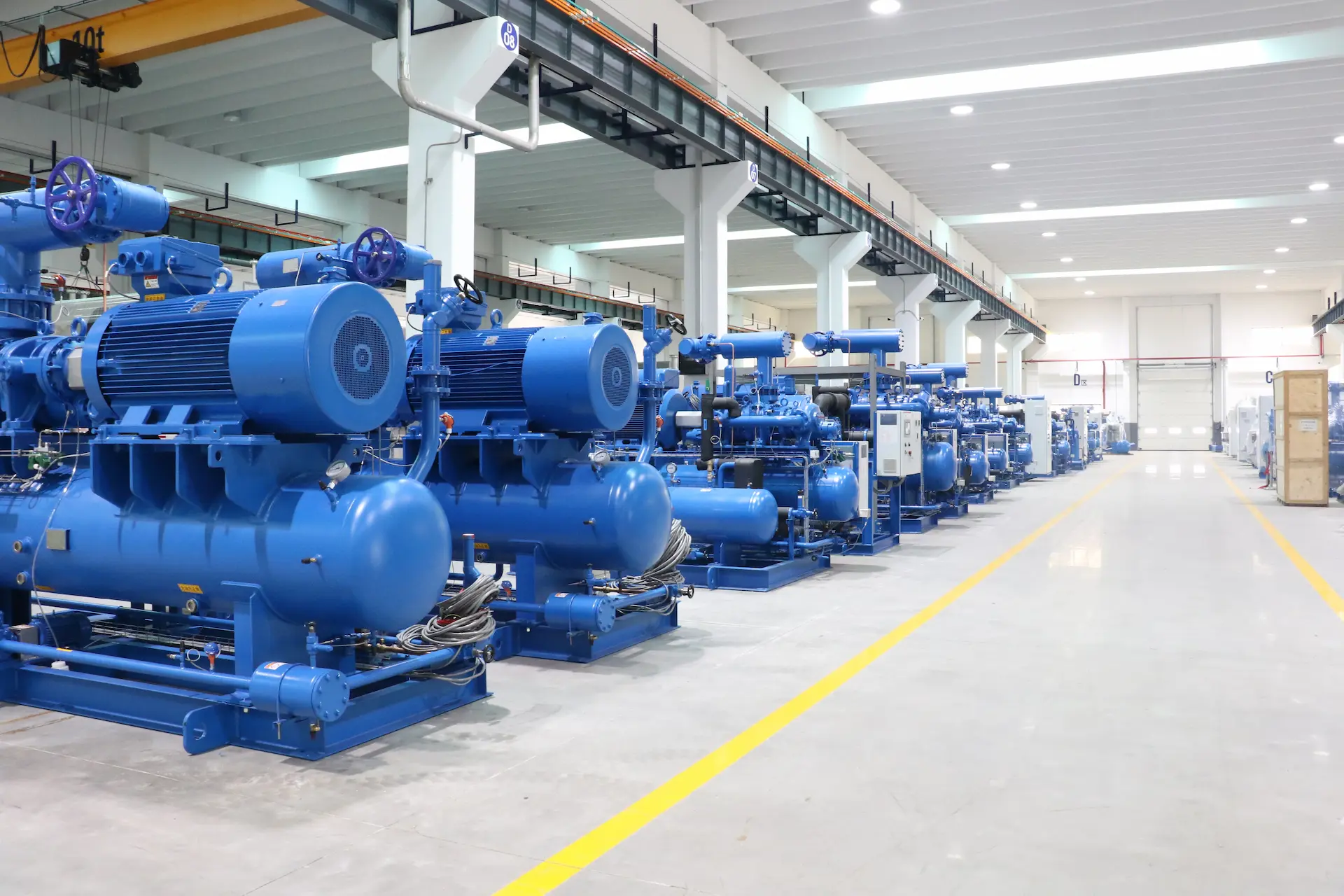
All the pressure vessels are built in-house in strict compliance with the American Society of Mechanical Engineers (ASME). Our welders and technicians are ASME certified. We have the state of art plasma welding machines, rollers, and radiography test equipment to ensure the pressure vessels for the refrigeration system are reliable and meet the international pressure vessel codes.
Complete Refrigeration Solution
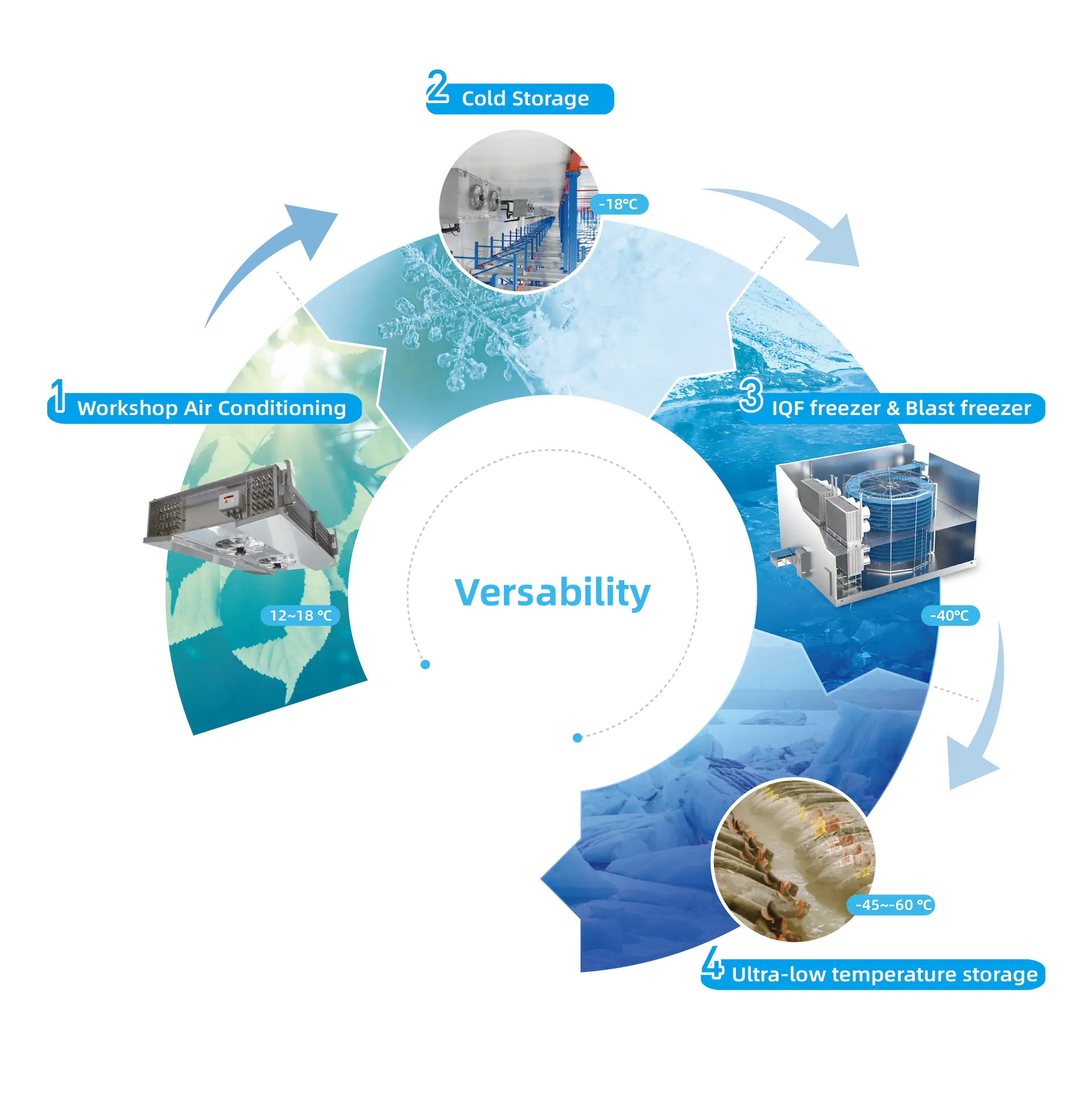
We provide tailored services from consultation to maintenance. Our experienced team delivers efficient and reliable solutions. With a focus on quality and innovation, we ensure customer satisfaction at every step.
Flexible selection
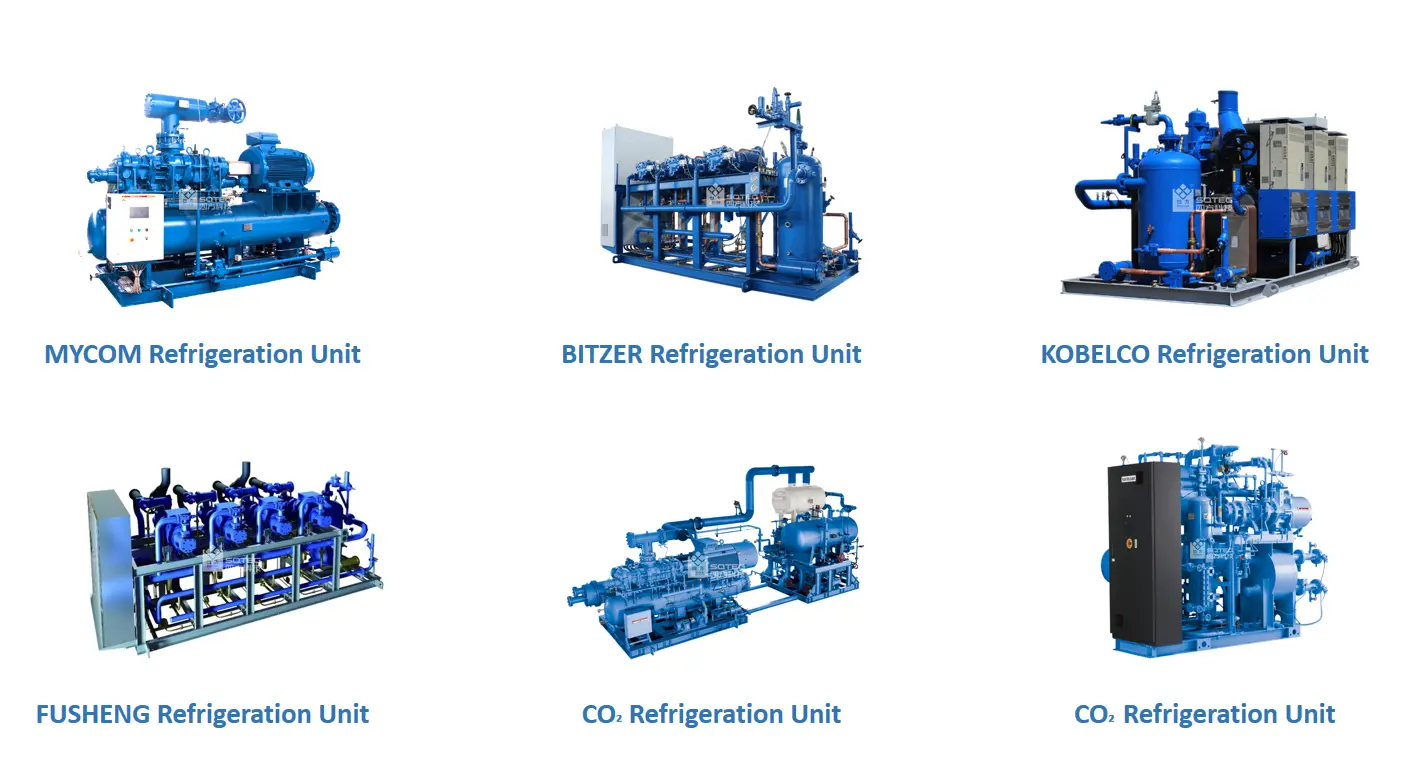
We only use internationally recognized refrigeration parts. For example, Compressors are German Bitzer and Japanese Mycom. The valves are Danfoss and Emerson.
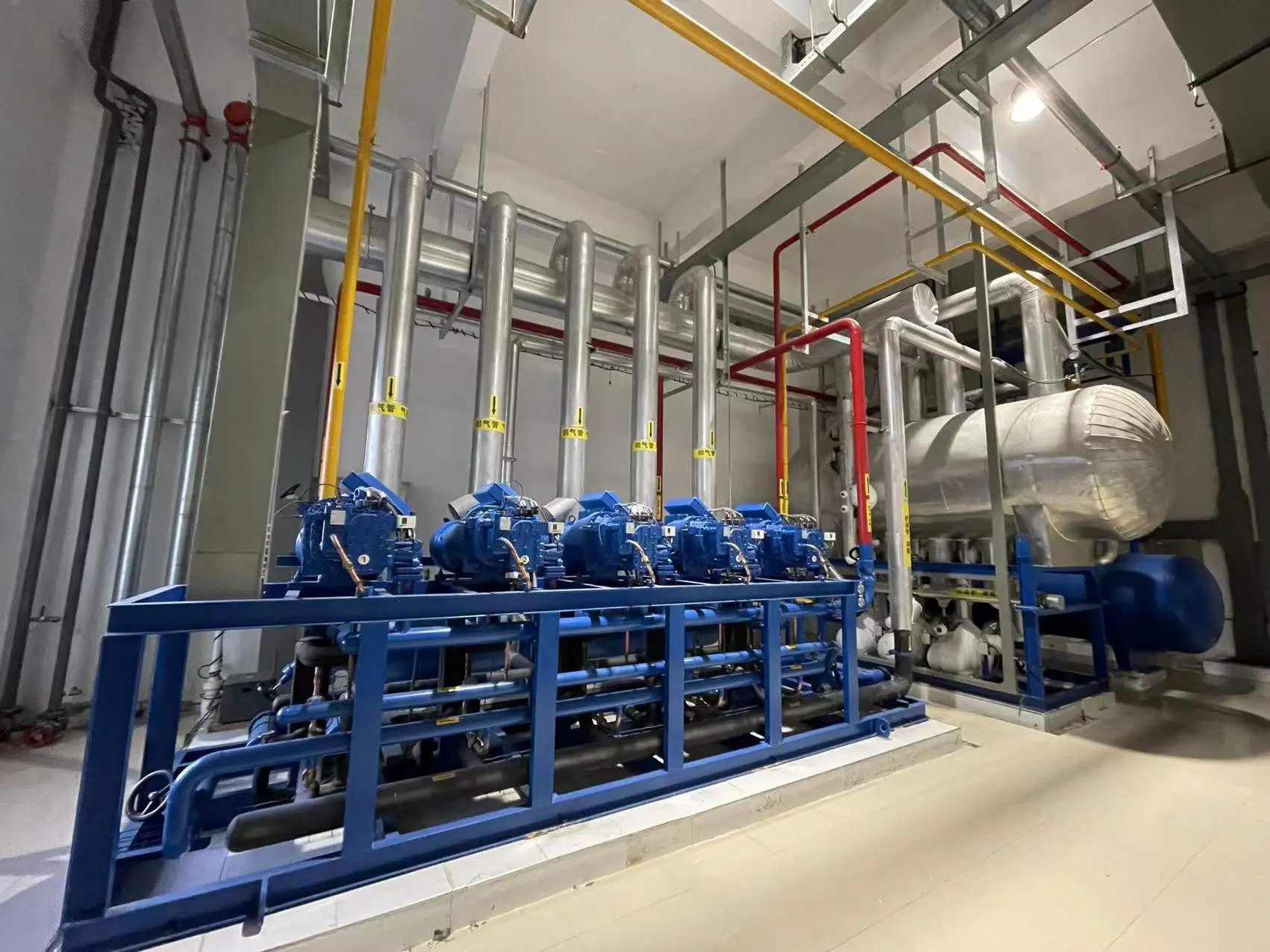
Product Structure
- The refrigeration system (rack) comprises a compressor, oil separator, oil cooler, control valves and fittings, refrigerant reservoir, condenser, electronic control devices, and PLC control.
- Internationally renowned compressor and fittings brands include MYCOM, BITZER, KOBELCO, FUSHENG, Danfoss, and Parker.
- Structural steel base platform with high-efficiency semi-hermetic and open screw compressors.
- The rack controller acts as the system’s core, managing compressors, condensers, defrost cycles, and other components for stability. It also monitors temperatures to uphold product integrity, requiring no operator intervention during operation.
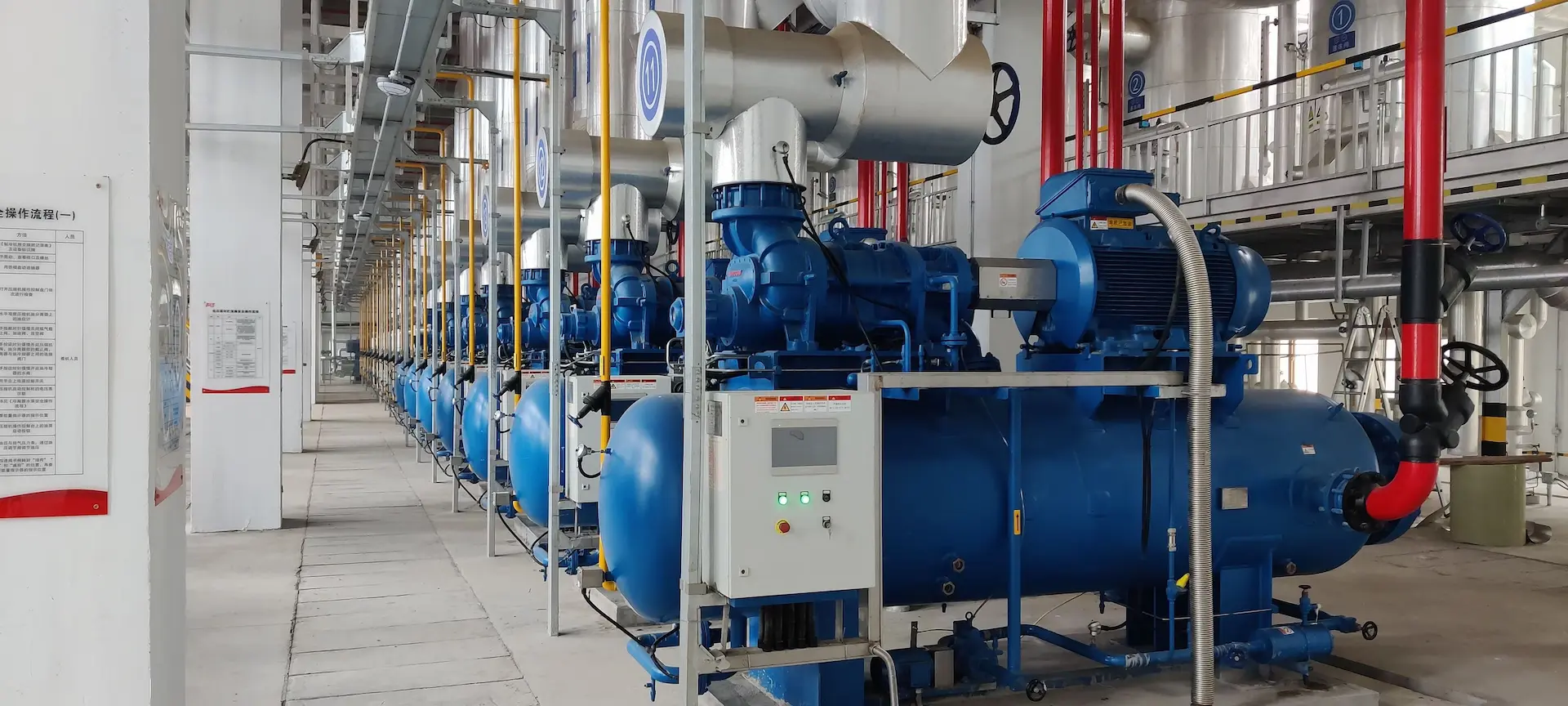
Advantage
- Integral electric defrost control system.
- Mechanical and electronic controls for oil, defrost cycles, and liquid levels.
- Horizontal and vertical receivers with liquid level indicators and pressure relief valves. Insulated suction lines ensure efficiency.
- Leak-tight construction features preformed tubing, minimal brazed joints, and flare fittings, with units leak-tested at the factory.
- Pressure vessels can be ASME or PED certified upon request.
- The PLC touch-screen controller serves as the system’s central control, managing compressors, condensers, defrost cycles, and other rack components to maintain system stability while monitoring temperatures for product integrity.
Technical Specifications
Parameters
Refrigeration system parameters cover compressor type, refrigerant selection, evaporating and condensing temperatures, system capacity, condenser type, oil system, controls, safety, heat recovery, installation, and lead time.
| Compressor type | Open-drive reciprocating / Screw (single and twin) |
|---|---|
| Refrigerants | NH₃ (R717) / CO₂ (R744) / Cascade NH₃-CO₂ |
| Evaporating temperature | −45°C to +10°C |
| Condensing temperature | +25°C to +45°C (ambient-dependent) |
| System capacity | 50 kW – 5+ MW per system |
| Condenser type | Evaporative / Air-cooled / Shell-and-tube (water-cooled) |
| Oil system | Oil separator, oil cooler, oil management system |
| Controls | PLC with SCADA, compressor sequencing, remote monitoring |
| Safety | Gas detection, emergency ventilation, relief system per EN 378/IIAR |
| Heat recovery | Optional: desuperheater for hot water, oil cooling heat reclaim |
| Installation | Factory-assembled skids or field-erected |
| Typical lead time | 16–22 weeks (custom-engineered system) |
| Design life | 25+ years (pressure vessels); 20+ years (compressors with maintenance) |
Design Details
How each subsystem is engineered
Expand any section below for the engineering approach behind each critical subsystem — with links to detailed Technology pages.
NH₃ vs. CO₂ Refrigerant Selection
NH₃ (Ammonia, R717): The industry standard for industrial refrigeration. Highest thermodynamic efficiency of any common refrigerant. GWP = 0, ODP = 0. Low cost per kg. Classified as B2L (toxic, mildly flammable) — requires safety systems per EN 378. Best for: large systems, low-temperature applications, facilities with existing NH₃ infrastructure.
CO₂ (R744): Growing adoption driven by safety and regulatory trends. Non-toxic, non-flammable (A1 classification). GWP = 1. Excellent low-temperature performance. Higher operating pressures (~40 bar at −5°C vs ~3 bar for NH₃). Best for: facilities where ammonia charge quantity is restricted, indoor equipment rooms, cascade systems with NH₃ on the high side.
Cascade NH₃-CO₂: NH₃ on the high-temperature side, CO₂ on the low-temperature side. Combines NH₃ efficiency with CO₂ safety in occupied spaces. NH₃ charge contained in machinery room; CO₂ circulated to production areas.
Compressor Technology & Part-Load Efficiency
Square selects compressor type based on your capacity and operating conditions:
- Screw compressors: 200 kW–2+ MW per unit. Variable Vi (built-in volume ratio) maintains efficiency at part load. Ideal for medium-to-large systems with varying loads.
- Reciprocating compressors: 50–300 kW per unit. Excellent part-load efficiency via cylinder unloading. Ideal for smaller systems or where load varies widely.
For facilities with variable production, we configure compressor sequencing and VFD control to maintain efficiency across the full operating range, not just at design conditions.
Heat Recovery & Energy Integration
Industrial refrigeration systems reject large amounts of heat through the condenser. Much of this heat can be recovered:
- Desuperheater: recovers high-grade heat from compressor discharge gas (70–90°C) for facility hot water
- Oil cooling heat reclaim: compressor oil cooling heat used for underfloor heating or pre-heating
- Condenser heat: lower-grade heat (25–35°C) usable for space heating or defrost water pre-heating
- Typical energy savings: 15–30% reduction in facility heating costs
Safety Systems & Regulatory Compliance
Ammonia refrigeration systems require comprehensive safety design per EN 378 (Europe) or ASHRAE 15 / IIAR (North America):
- Continuous gas detection: NH₃ sensors with 25 ppm warning, 150 ppm emergency ventilation activation
- Emergency ventilation: mechanical ventilation rated for 30 air changes/hour on gas detection
- Relief valve discharge: piped to safe location, calculated per EN 13136 / ASHRAE 15
- Emergency shutdown: multiple push-button stations, automatic on high gas concentration
- Machinery room design: gas-tight construction, outward-opening doors, external light switches
Installation & Commissioning
Square provides complete installation supervision and commissioning:
- Factory-assembled skids reduce on-site work by 40–60%
- Installation by Square’s 200-person global team or supervised local contractor
- Pressure testing, evacuation, and refrigerant charging per procedure
- Full commissioning: performance verification at design conditions
- Operator training: system operation, safety procedures, daily checks
- Documentation: P&ID, electrical schematics, safety manual, maintenance schedule
Proven in These Food Applications
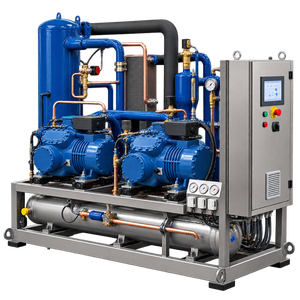
Freezing Machine Refrigeration Systems
Supplies stable refrigeration for spiral, tunnel, plate and other industrial food freezers.
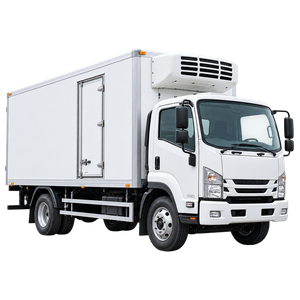
Reefer Containers (Refrigerated Trucks) Cooling
Supports temperature-controlled transport of meat, seafood, fruit, vegetables and prepared foods.
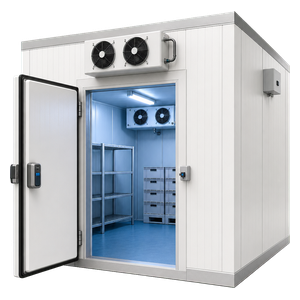
Medium to Large-Scale Cold Storage
Provides centralized cooling for mixed frozen and chilled food inventories.
Case Studies
Refrigeration System in Operation Worldwide
Real production lines with performance data — not renderings, not claims. Each installation documented with commissioning data.
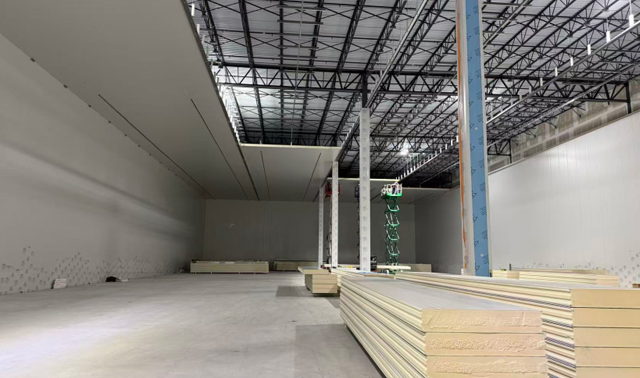
Box-in-Box Cold Storage Deployment in North America
Published by: Square Technology Group – North America Sales Team Executive Summary Box-in-box cold storage
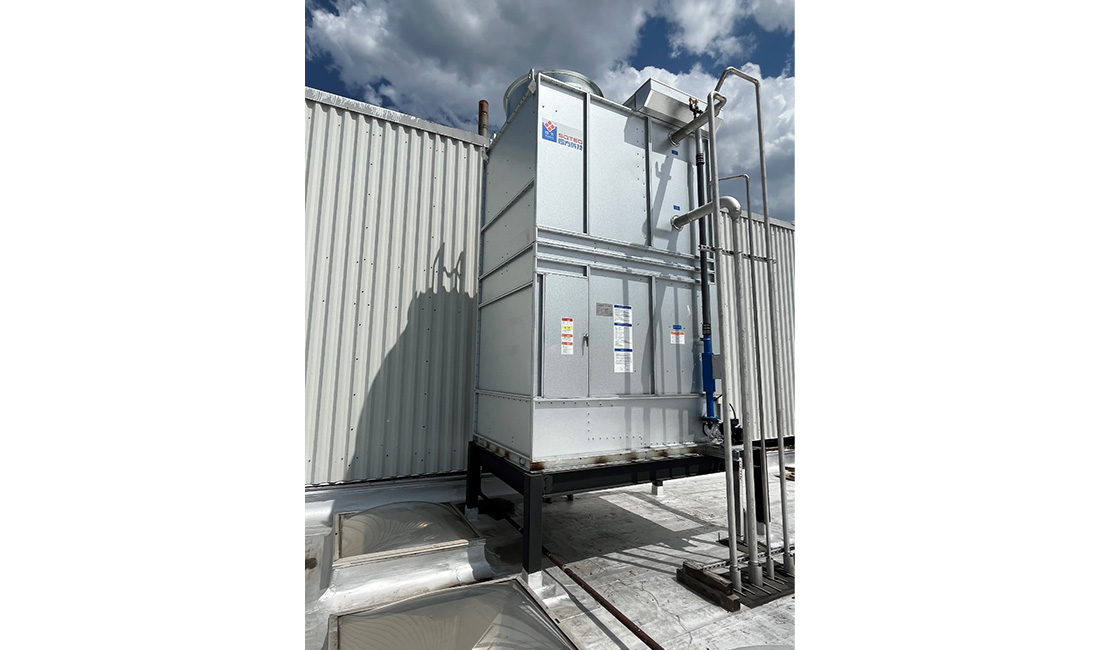
Spiral Freezing Solution for Steamed Dumplings
Client Location: ChicagoEquipment Supplier: Square Technology Group Co., Ltd. IQF: Ambient spiral cooler& spiral freezerRefrigeration
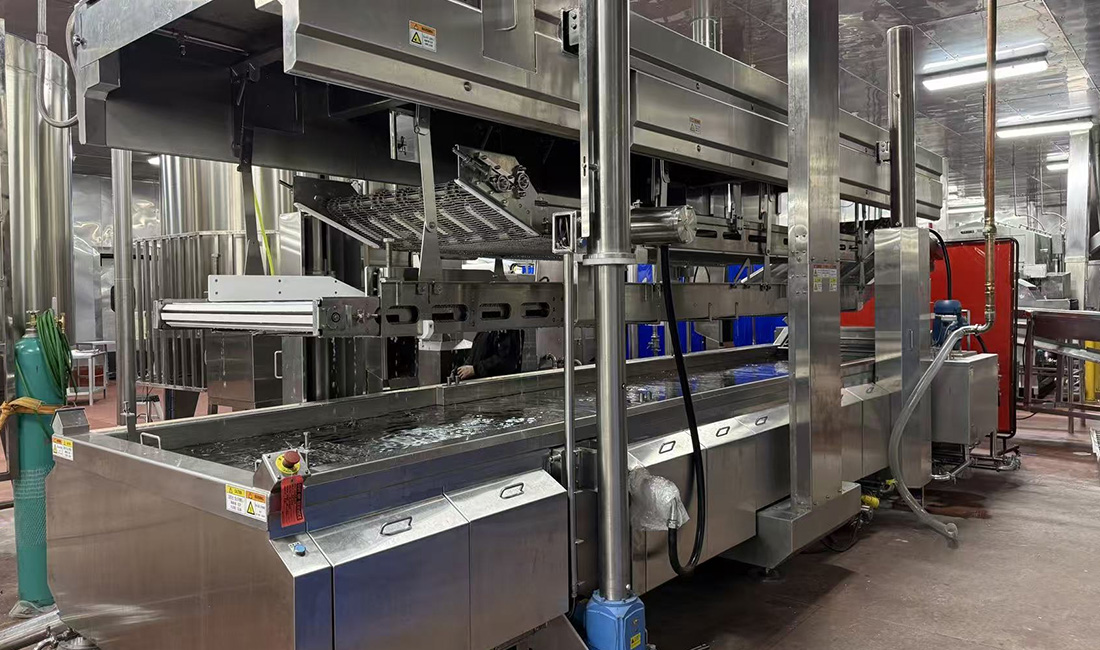
Chicago Fried Chicken Nugget Production Line
Project Overview Square Technology Group delivered a complete fried chicken nugget processing line up to spiral
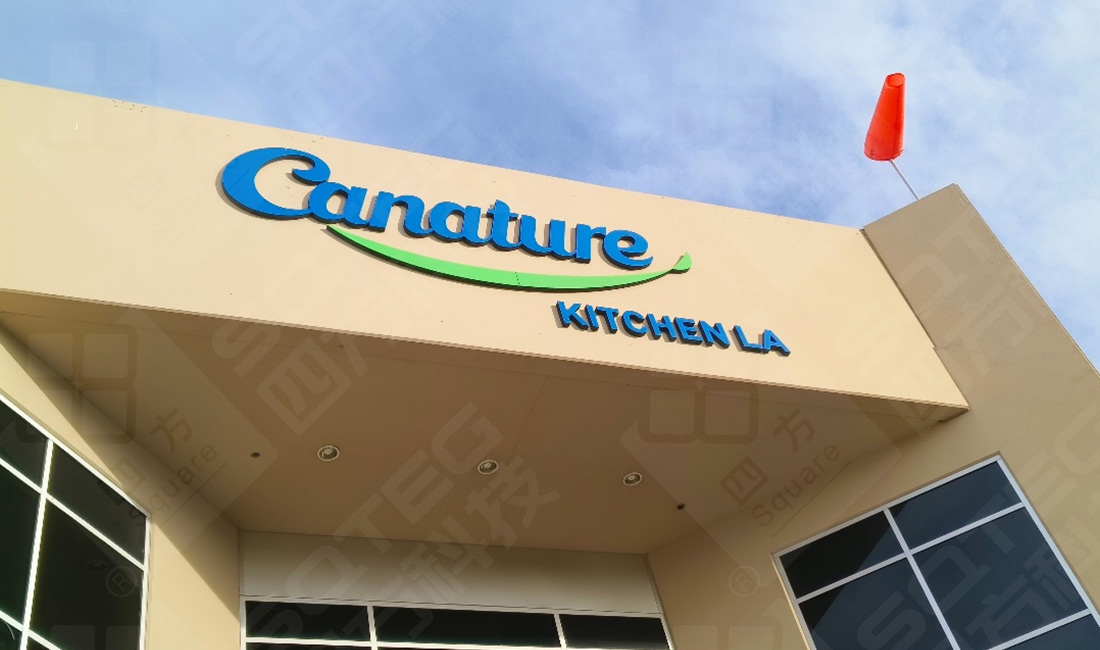
An Integrated Freeze-Drying Solution for Pet Food Processing
An Integrated Freeze-Drying Solution for Pet Food Processing Canature Processing Ltd. is a global leader
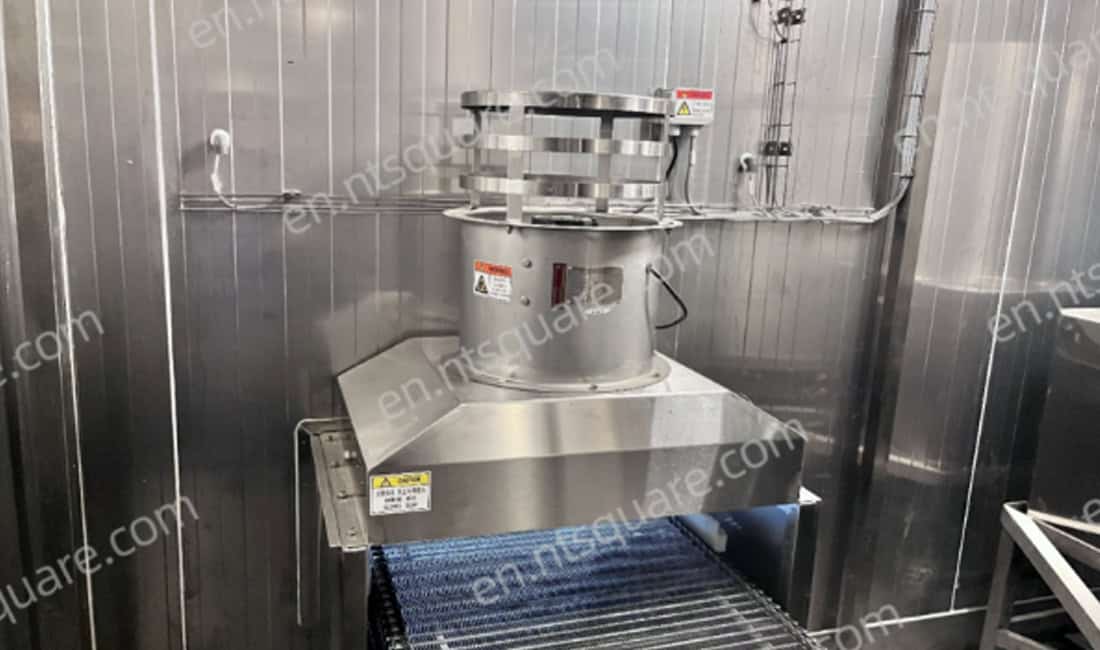
Double Spiral Freezer and Mycom Refrigeration System Launched at Poultry Factory in Colombia
Double Spiral Freezer and Mycom Refrigeration System Launched at Poultry Factory in Colombia Location Colombia
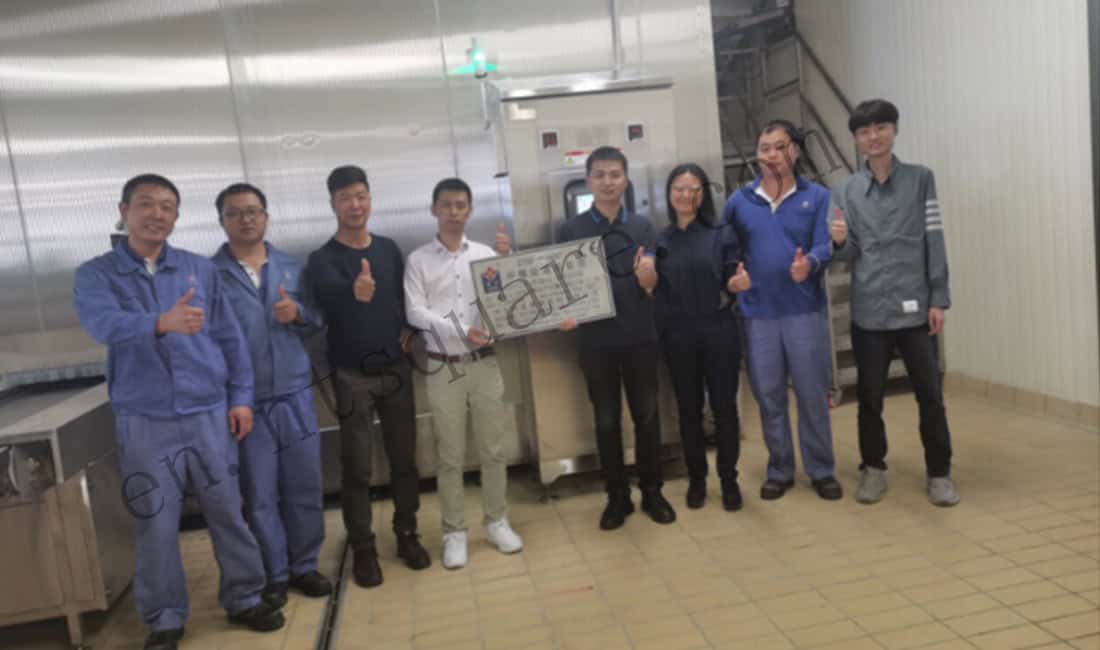
Dumpling Freezing Solution for ITACI SRL
Dumpling Freezing Solution for ITACI SRL ITACI SRL is a well-established food manufacturer specializing in
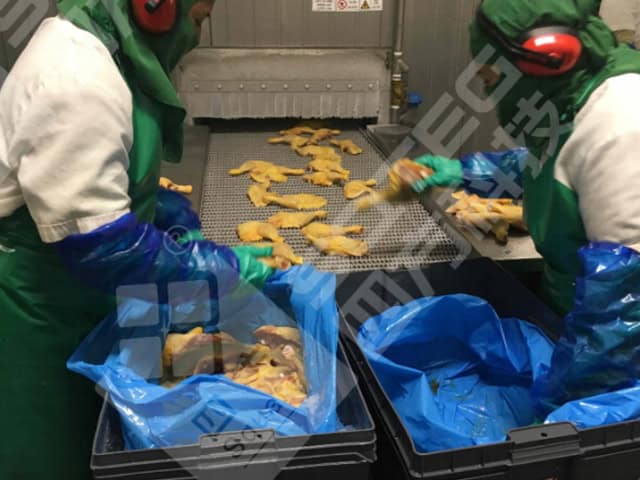
Grupo San Antonio Boosts
New Square Spiral Freezer and Refrigeration System Grupo Pecuario San Antonio is one of the
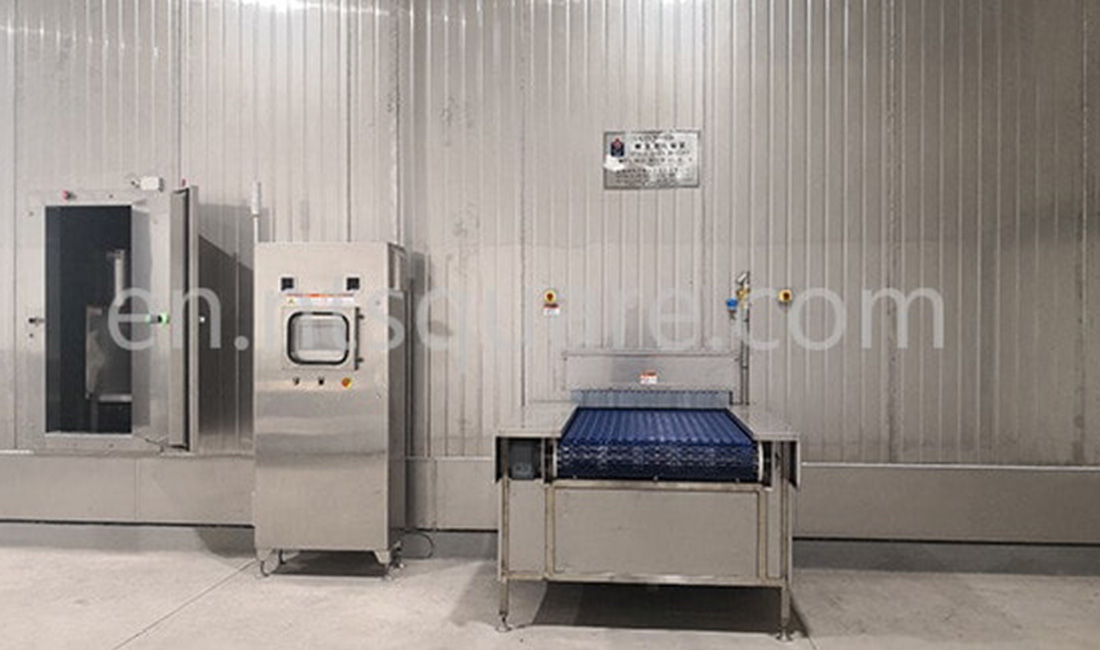
Mexico PATSA-Spiral Freezer With Plastic Modular Belt For Chicken Parts
The customerProductos Agropecuarios de Tehuacán, S. DE R.L. DE C.V. (PATSA) is a Mexican company specialized
Frequently Asked Questions
The refrigeration systems are built with robust components, leak-tight construction, and ASME-certified pressure vessels, tested to withstand harsh working conditions and temperature extremes.
We use world-renowned compressors such as MYCOM (Japan), BITZER (Germany), and KOBELCO, ensuring performance, durability, and global serviceability.
We own CE, EAC, INF, CNAS, ISO, ASME, PED, U2, CSA, CRN certifications and 300+ patents, as well as 350+ engineers. Square vertically integrated production ensures quality control from raw materials.
Square offers customized one-stop cold chain solution that meets your requirements. We specialize in custom-engineered systems, from layout and capacity to refrigerant type and control logic—tailored to your specific project requirements.
Our engineers will evaluate your project’s safety requirements, temperature range, budget, and environmental considerations to recommend the optimal refrigerant system.
Engineering Inquiry
Discuss Your Refrigeration System Project
Share your product type, target capacity, line layout, utilities, and site conditions. Our engineers will review your requirements and recommend a suitable Refrigeration System configuration.